Your brakes are the most important safety system on your vehicle — bar none. I know that's something every mechanic says, but it's worth saying again because so many drivers put off brake work until something is obviously wrong. By that point, you've often caused damage that turns a $300 brake job into a $700+ repair, and you've been driving an unsafe vehicle in the meantime.
Here in Vero Beach and throughout Indian River County, our driving conditions put specific demands on brake systems that are worth understanding. Let me walk through what you need to know.
How Florida's Climate Affects Your Brakes
Florida's combination of heat, humidity, and occasional violent rainstorms creates conditions that accelerate brake wear and cause specific problems. Brake rotors are cast iron, and cast iron rusts. In humid coastal environments like Vero Beach, rotors can develop surface rust overnight just from sitting in a driveway. This is usually normal — it burns off after a few applications. But it's also a sign that if your rotors have any pits or grooves, those areas will rust faster and deepen, eventually compromising rotor integrity.
Brake fluid is hygroscopic — it absorbs moisture from the atmosphere. In a humid Florida environment, brake fluid absorbs moisture faster than in dry climates. Water contamination in brake fluid lowers its boiling point. When brakes get hot during heavy use — like braking from highway speed in a panic stop, or navigating a long downhill — contaminated fluid can boil, creating vapor bubbles that cause brake fade (a sudden, scary reduction in braking force). Most manufacturers recommend brake fluid replacement every two years; in Florida, we lean toward two years or less.
Warning Signs You Should Never Ignore
Squealing or squeaking. Most brake pads have wear indicators — small metal tabs designed to contact the rotor and squeal when the pads are getting thin. This is your warning to schedule service soon. Don't ignore it and hope it goes away.
Grinding. Metal-on-metal grinding means your pads are worn down to the backing plate and you're cutting into your rotors. This is an emergency. At this point, you need new pads AND rotors at minimum, and you may have damaged calipers as well.
Pulling to one side. If your car pulls left or right during braking, you may have a seized caliper, uneven brake pad wear, or a brake fluid leak affecting one side. All of these need prompt attention.
Spongy or soft pedal. A brake pedal that goes too low or feels spongy typically indicates air in the brake lines, brake fluid leak, or a failing master cylinder. This is serious — do not drive the vehicle until it's checked.
Brake light on your dash. Don't assume it's just the parking brake. A lit brake warning light can indicate low fluid (possibly from a leak), an ABS fault, or a brake pressure imbalance. Get it checked.
What We Check During a Brake Inspection at Tim's
A proper brake inspection isn't just measuring pad thickness. We remove the wheels and inspect: pad thickness and condition on all four corners, rotor condition (thickness, runout, surface condition), caliper condition and slide pin function, brake lines and hoses for cracking or leakage, brake fluid color and condition, hardware and clips, and ABS sensor connections if equipped.
We give you a written assessment of everything we find and discuss your options honestly. We don't add work you don't need, and we don't minimize work you do need.
Brake Service for Classic Cars
If you have a classic car in Vero Beach, brake service requires additional consideration. Original drum brake systems need periodic adjustment that most modern shops don't know how to perform correctly. Wheel cylinders on vintage systems should be inspected for leakage and rebuilt or replaced as needed. Brake hoses on classic vehicles are often 20–30+ years old even on "restored" cars — old rubber brake hoses can collapse internally and restrict fluid flow, causing brake drag or one-sided braking.
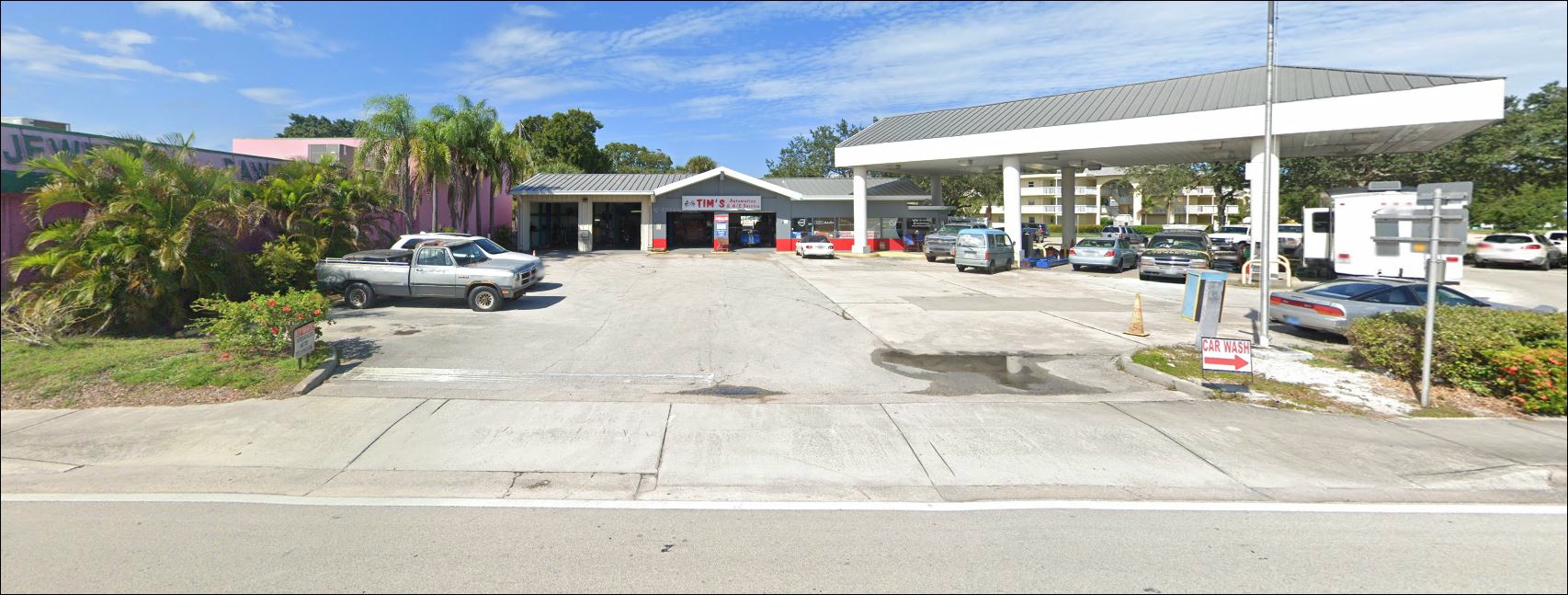
We handle drum brake service, disc conversion on classics, and vintage brake system restoration here at 1102 21st St. See our classic car services page for more detail.
If your brakes are telling you something, don't put it off. Request a brake estimate or call us at (772) 778-6929. We serve all of Indian River County and the surrounding area, and we'll be straight with you about what your vehicle actually needs.